
Solar Hub
Solar for a working farm
Published 29 May 2026 Updated By Infinite Energy
Start with when the farm uses electricity, not how many panels fit on the shed. Roof condition, connection and daily operations matter too.
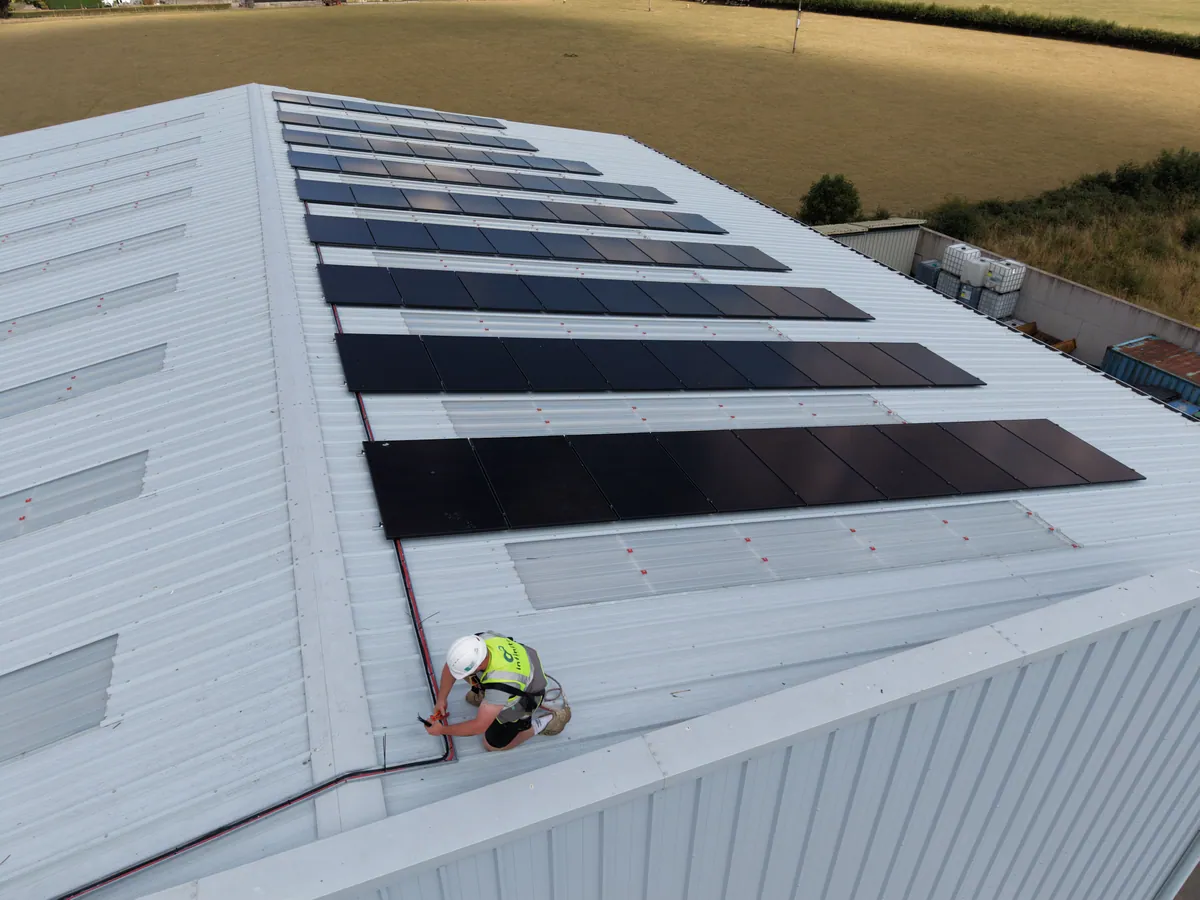
A large shed roof does not settle the case for solar. The useful question is how much of the proposed generation the farm can use, at what times, and what the full project will cost.
Read the bills alongside the working day
Bring a full year of electricity bills and any interval usage data available from your supplier. List the main electrical loads and when they run. Note seasonal changes and planned equipment separately from current use.
Solar produces electricity during daylight. Demand at the same time can increase the share used on the farm, but a high annual bill does not prove that timing matches. Ask for the estimate to separate electricity used on site, exported and lost.
Compare the installed cost, the import purchases avoided and any export income using the applicable tariffs. More electricity used on site is not, by itself, a promise of better financial results. Ask for the assumptions behind any payback figure, including finance and future costs.
Check the building and the working yard
The review should cover the roof’s condition and structure, shade, access and equipment locations. Flag planned roof repairs and any known concerns about the roof covering before a layout is agreed. Do not climb onto a roof to inspect it yourself.
Tell the installer where vehicles, people and animals need access, when work cannot interrupt operations and what site rules apply. Ask how deliveries, work areas, cable routes and any electrical shutdown will be arranged.
Ask to see the proposed equipment locations and how they will be protected and accessed for maintenance. A photograph of a tidy installation is useful, but it cannot establish that a different building is suitable.
Funding and grid connection are separate checks
SEAI’s Non Domestic Microgen Grant includes agricultural applicants, subject to its conditions. Its process requires a registered company and agreed contract, an application and a letter of offer before works start. The installer must also deal with the network connection before installation.
The TAMS 3 Solar Capital Investment Scheme is another agricultural support route to discuss with your farm adviser. Ask which scheme fits your circumstances and confirm its current eligibility, eligible costs and approval steps. Do not assume different grants can pay for the same cost.
The appropriate ESB Networks process depends on the proposed generation equipment and supply, not the word “farm”. Panel capacity in kWp is not the same measure as inverter connection capacity in kVA. Ask the designer to identify the applicable route, export arrangement and any connection constraints in writing.
Our connection guide is a starting point. A grant offer does not replace network requirements, and neither is a guaranteed installation date.
Make the first conversation useful
- Demand: bills, usage data and the working hours of the main equipment.
- The site: buildings under consideration, known roof issues, supply details and any existing generation.
- Operations: access restrictions, busy periods and work that cannot be interrupted.
- The decision: who needs to approve the proposal, funding questions and the information your adviser needs.
You do not need to choose a panel count before speaking with us. A commercial solar review starts with the site and its demand. Ask for a proposal that clearly states the equipment, work, exclusions and responsibilities for the paperwork.
Talk through the farm project.
Tell us about the buildings, electricity use and working hours. We can discuss what is needed for a commercial site review.