
Solar Hub
NC6 and NC7: your route to the grid
Published 22 May 2026 Updated By Infinite Energy
The connection route depends on your supply and proposed equipment, not just the panel count. Here is what to ask before the work starts.
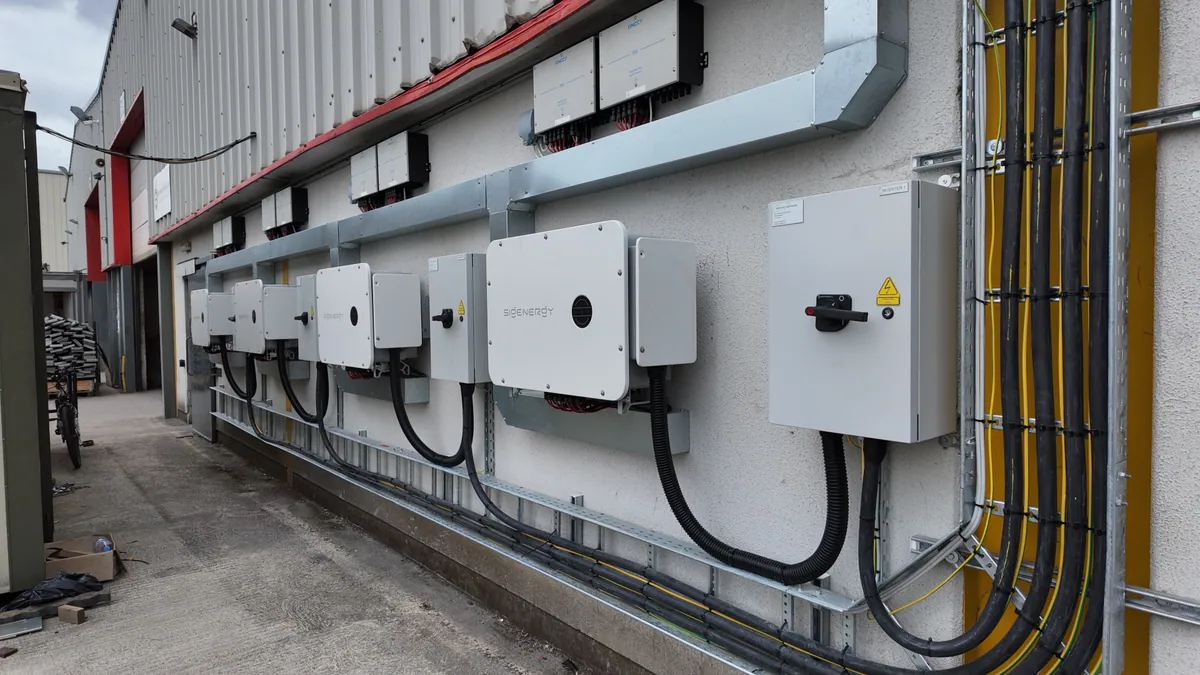
NC6 and NC7 are part of the ESB Networks connection process. They are not a grant offer or an agreement about what your electricity supplier will pay for exports.
It is not decided by panel count
Ask the installer to identify your supply type, MPRN, existing generation and proposed inverter capacity. The roof’s panel rating in kWp is not the same as the network capacity expressed in kVA. Do not use one number as a substitute for the other.
NC6: microgeneration notification
ESB Networks defines microgeneration up to 25 A on a single phase supply, or 16 A per phase on a three phase supply. These are approximately 6kVA and 11kVA respectively. The equipment must meet the applicable conditions; a model name alone is not proof.
NC7: a mini generation application
For inverter connected generation above the microgeneration range, the mini generation limits extend to 17kVA on single phase and 50kVA on three phase. This route involves a technical assessment and a connection offer, not just a notification.
Larger systems need another connection route. A farm or business is not automatically an NC7 project. ESB Networks must confirm what is appropriate for the equipment and supply.
Allow for the correct process
For NC6, the notification and required type test certificate go to ESB Networks before connection. Its published process requires receipt of the application and no objection within 20 business days. An objection or required network work can change what happens next. This is not a guaranteed installation date.
For NC7, the application, fee and technical assessment come before an offer. Do not install until the connection agreement has been signed and returned, its conditions met and any required ESB Networks work completed. Ask which fees and network work are included in your project budget.
Use the current NC6 guidance or NC7 guidance for the submission route. The installer should explain the technical requirements; this article is not an instruction to connect equipment.
Keep three things separate
- The grant: SEAI’s Letter of Offer and conditions concern grant support. They do not replace the network process.
- The connection: ESB Networks deals with the equipment, supply and registered export capacity.
- The export payment: your supplier pays under the applicable tariff and metering arrangements. ESB Networks does not buy the electricity.
Before agreeing the work, ask who will submit the notification or application, what authority they need from you, and which confirmation you will receive. At handover, keep the connection records with the electrical certification and equipment documents.
If you later change an inverter or add generation, ask whether the registration needs updating. For the next stage, read how export payments work.
When you are ready
Check the plan for your home.
A solar consultant can assess the roof and electrical setup and explain the proposed system. The roof survey is free, with no obligation. Grant approval, grid requirements and export terms remain separate checks.