

Solar Hub
GoodWe or Sigenergy?
Published 17 May 2026 Updated By Infinite Energy
Compare the inverter and battery in your quotation, not just the name on the front. Start with what your home needs and what the proposed system includes.
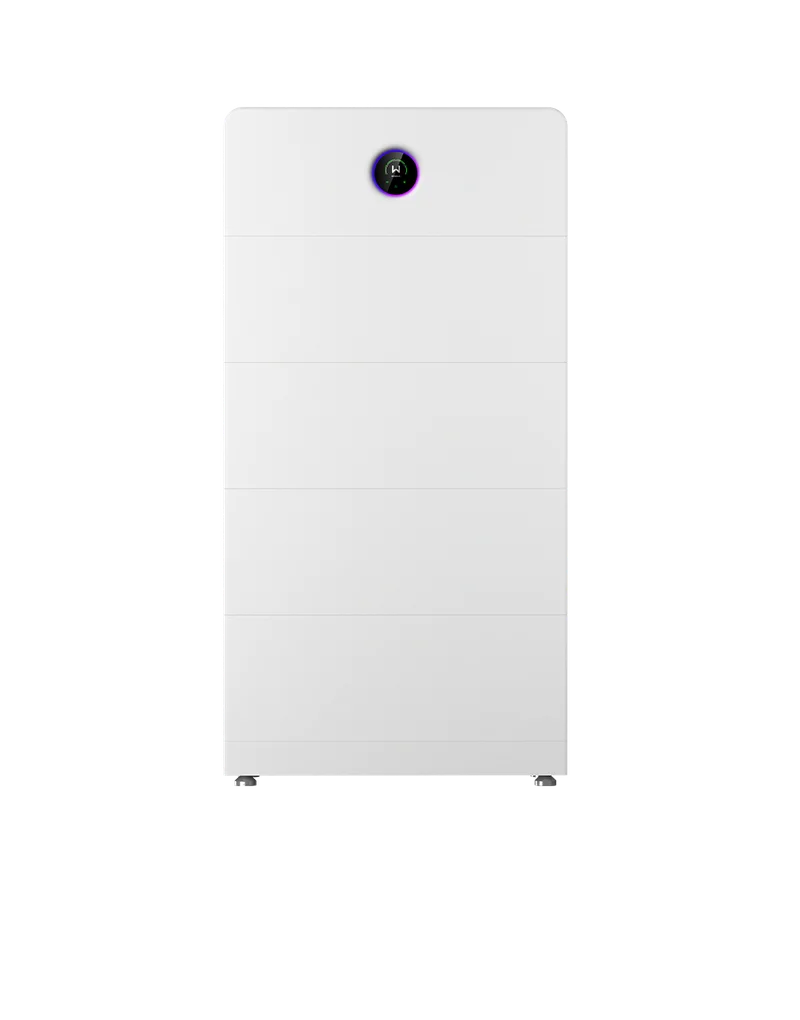
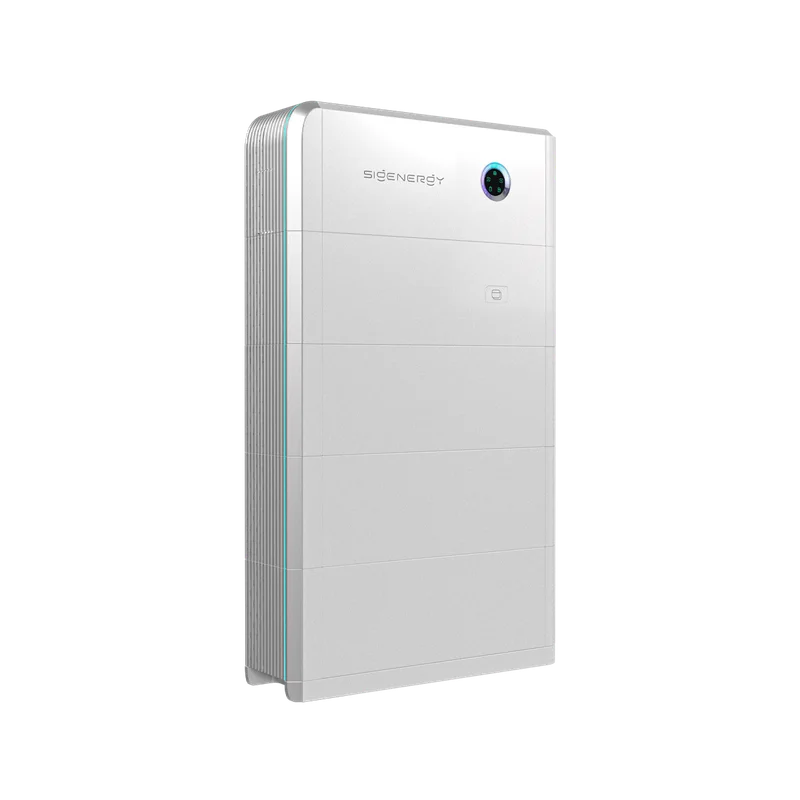
Infinite Energy uses GoodWe and Sigenergy equipment. There is no useful brand winner without knowing the models, the installation design and what you want the system to do. A quotation should explain why its equipment suits your home.
You do not need to become an engineer to compare two proposals. Ask each installer the same questions and keep the answers beside the price.
Start with the exact models
The inverter converts the panels’ electricity for use in the home. Battery storage is a separate choice, and any battery must be compatible with the proposed system. An inverter brand or a battery photograph is not enough to establish that.
Ask for this information in writing:
- Equipment: the inverter and battery model codes, number of battery units, and any additional control or gateway equipment.
- Capacity: the battery’s usable energy capacity and the system’s charging and discharging power limits. Ask the installer to explain how these relate to your electricity use.
- Compatibility: the manufacturer documents confirming that the proposed products work together, including any required accessories or conditions.
- Future changes: what adding storage later would involve, which products are currently compatible and what is excluded from today’s price.
GoodWe’s Download Centre and Sigenergy’s Download Centre are starting points for product documents. Ask your installer for the documents that match the quoted model, version and Irish installation. A global product page is not confirmation of your supplied equipment.
“Battery ready” needs a written explanation. It does not promise compatibility with every future battery. If you are deciding whether to add storage at all, read our guide to solar and batteries first.
Be specific about power cuts
Do not assume that solar panels and a battery will keep the house running during an outage. Backup depends on the equipment and how the installation is designed. Ask for a separate, written backup scope:
- Is backup included in this price, optional, or not provided?
- Which circuits or appliances would remain supplied, and which would not?
- What gateway or switching equipment and electrical work are included?
- What power limits and operating conditions apply, including when the battery is low?
- What should you do during an outage, and how will that be demonstrated at handover?
A battery’s capacity is not a promise that every appliance can run together, or for a fixed number of hours. Ask for the limits of your proposed setup rather than relying on a general backup claim.
Know who can help afterwards
Ask which app or portal you will use, what it will show and whether any additional metering or connection equipment is needed. At handover, have the installer explain the available generation, household use, battery and export readings. Confirm your account access, password recovery and any continuing installer access.
Get the warranty documents for the actual equipment and region. Check any registration requirements, exclusions, and how a claim is made. Ask who pays for diagnosis, labour, travel or replacement work where these are not covered. A product warranty and the installer’s workmanship cover are not the same thing.
Keep the equipment list, relevant certificates, commissioning records, operating instructions and support contact together. Our installation and handover checklist explains what to ask for.
Compare the whole job
Put each proposal against the same roof, electricity use and requirements. Separate the base solar installation from optional storage and backup. Check whether the prices include the same electrical work, monitoring, access arrangements and aftercare.
If one option costs more, ask what the extra amount buys for your home. If the answer is only a brand name, ask for more detail. Use the solar quote checklist to keep the comparison fair.
Our equipment and materials page shows labelled product family examples. Your final proposal should name what will actually be fitted after the roof and electrical assessment.
Find out what suits your home.
A solar consultant can assess the roof and electrical setup and explain the proposed equipment. The roof survey is free, with no obligation to go ahead.