

Solar Hub
What should a solar quote include?
Published 24 May 2026 Updated By Infinite Energy · About 4 min read
Look beyond the headline price. Compare the equipment, installation work, generation assumptions, grant conditions and support included.
Jump to a section
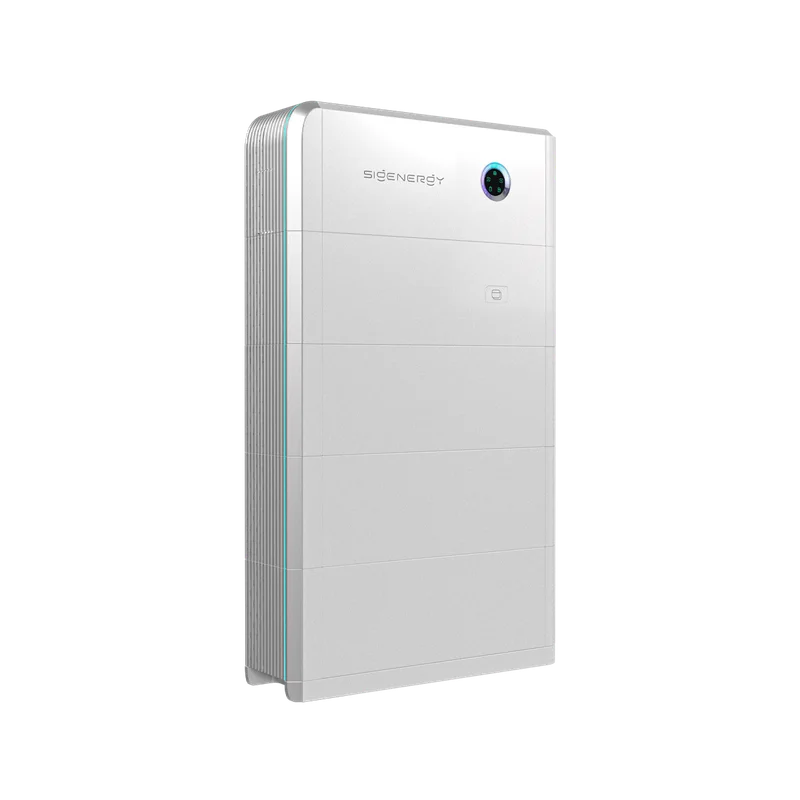
A solar quote is not just a price. It is a set of assumptions.
A good quote should help you understand what is being installed, why it has been recommended, what it is expected to generate, what grant support may apply and what still needs to be confirmed before installation.
If two quotes show different prices, the difference may not simply be margin. It may be system size, product choice, workmanship standard, cable routing, battery strategy, documentation, support or whether the quote has properly accounted for the property.
Ask for anything missing before you compare the totals.
System size and panel count
The quote should clearly show:
- number of panels
- system size in kWp
- panel wattage
- modelled annual generation, with its assumptions
- roof layout assumptions
- orientation and shading notes where relevant
Panel count alone is not enough. Ten panels from one proposal may not equal ten panels from another if the panel wattage or design assumptions differ.
Product specification
The proposal should specify the main products, not hide them behind vague descriptions.
Look for:
- panel brand and model
- inverter brand and model
- battery brand and capacity if included
- EV charger details if included
- mounting system if specified
- monitoring/app information
- warranties
If the proposal simply says “solar panels and inverter” without naming the products, it is harder to compare properly.
Grant assumptions
For homeowners, the quote should show the SEAI grant assumption separately.
A clear quote should distinguish:
- gross price
- assumed grant
- price you pay
- what is subject to grant approval
- whether you must apply before works begin
Check current SEAI guidance before agreeing the work. The grant assumption should be clear, and approval must be in place before works begin.
Savings assumptions
Savings estimates should show the assumptions behind them.
A quote should explain:
- electricity rate used
- modelled annual generation, with its assumptions
- estimated use of your own generation
- export rate assumption
- battery assumptions
- EV charging assumptions
- whether VAT or other charges are included
- whether figures are indicative or guaranteed
If a savings claim looks very strong but the assumptions are hidden, ask for the workings.
Battery and EV options
If battery storage or EV charging is included, the quote should explain why.
For battery storage, ask:
- what capacity is included?
- what usable capacity is assumed?
- is backup included?
- can the battery be expanded?
- how does the battery affect use of your own generation?
- where will it be installed?
For EV charging, ask:
- where will the charger be located?
- what cable route is expected?
- is load management required?
- how does solar generation support charging?
Workmanship and containment
The quote should make workmanship visible.
Ask the installer to explain:
- how cables will be routed
- what containment will be used
- where the inverter will be installed
- where the battery will be installed
- how the installation will be labelled
- what handover documents will be provided
The finished installation matters. It affects the look of the property, future inspection, maintenance and your confidence.
Warranties and support
Check the cover and support included for each part of the system.
- equipment warranty and the models it covers
- installation or workmanship cover
- any separate performance terms
- who handles equipment faults or monitoring issues
- contact details and the support process
You should know who to contact if something needs attention.
What is still subject to survey?
A quote may be indicative until a full survey is complete.
It should say clearly what may change after:
- roof inspection
- electrical review
- grant eligibility check
- product selection
- access review
- ESB Networks connection requirements
- final design
- installation start date and any site or electrical exclusions
Ask for the final scope and price in writing before agreeing to proceed.
Solar quote comparison checklist
| Quote element | Why it matters | What to ask |
|---|---|---|
| System size | An input to the modelled generation estimate | What kWp is proposed? |
| Product details | Affects quality and compatibility | Which panels, inverter and battery? |
| Grant assumption | Affects net cost | Is grant shown separately? |
| Savings assumptions | Shapes an illustrative saving estimate | Which import rate, export rate and household electricity use were assumed? |
| Workmanship | Affects finish and maintainability | How are cables routed and protected? |
| Warranty | Affects long term confidence | Who supports the system after install? |
| Survey conditions | Avoids surprises | What is still subject to confirmation? |
Before you decide
A good solar quote should make the decision clearer. It should explain the products, assumptions, grant position, savings model and installation standard well enough for you to compare options properly.
If a quote is hard to understand, it is worth asking for clarification before signing.
Still at the planning stage? Explore a guide estimate first, then request a free roof survey when you are ready. The survey is free and there is no obligation to go ahead.
Next step
Explore your next step.
Keep researching or get a guide estimate. You can then request a free roof survey, with no obligation. The survey and electrical review establish the design and final quote.