

Solar Hub
How to judge solar installation quality
Published 15 May 2026 Updated By Infinite Energy
A tidy finish matters, but it is only part of the evidence. Ask about the roof work, electrical checks, equipment records and handover before choosing an installer.
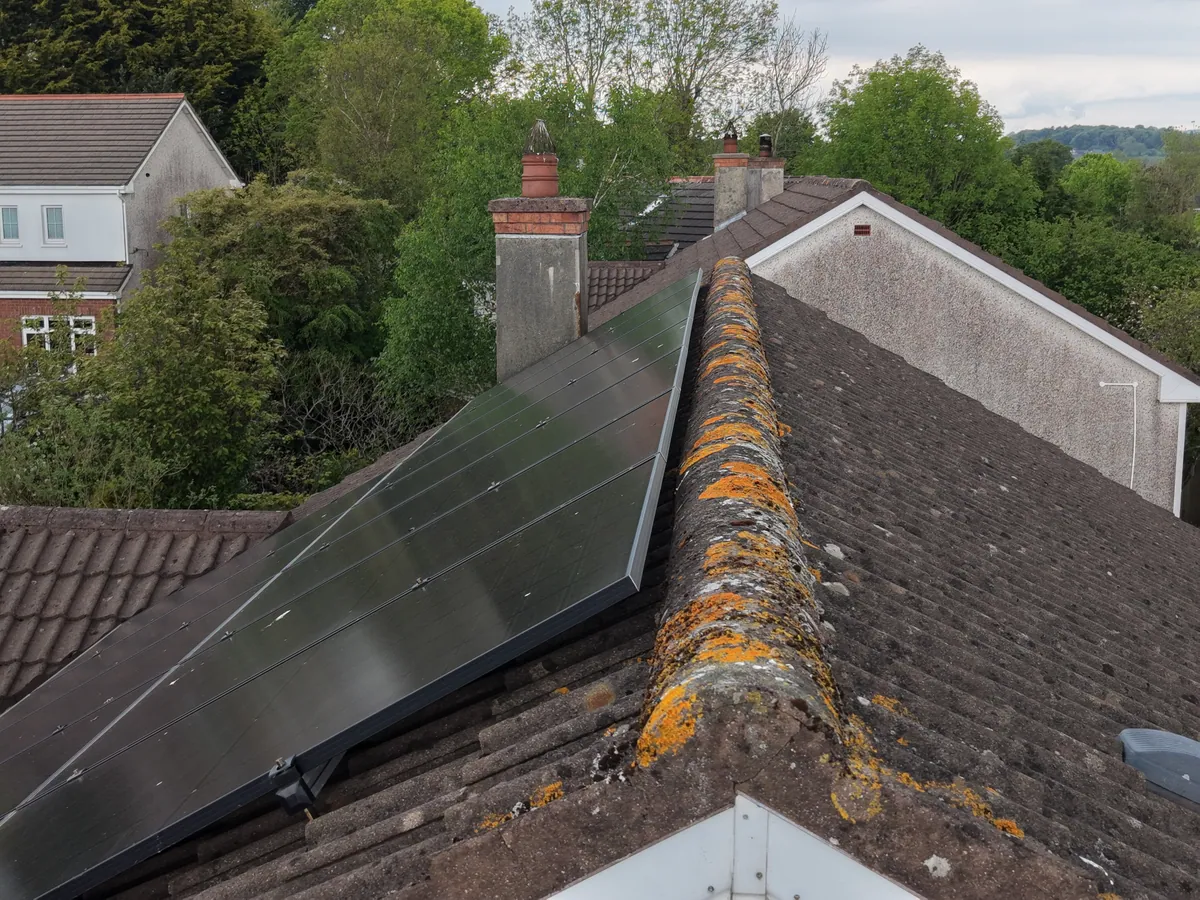
You should not have to judge an electrical installation from a photograph. Use visible examples to discuss the finish, then ask for the design, checks and records that support the work.
A neat finish is not a safety certificate
Before installation, ask where the cables will run, which parts will be visible and where the inverter and any battery will sit. Agree how work will be finished and what happens if the surveyed layout needs to change.
The mounting and cable design must suit the roof and site. Ask how fixings and openings will preserve weather protection, and how access and equipment clearances will be maintained. A straight cable run or an attractive array does not prove that those checks have been done.
Our materials and quality page helps explain the equipment conversation. Ask for the actual models in your proposal. Product features, installation workmanship and the quality of aftercare are separate things to compare.
Ask who is responsible for each check
For electrical work in your home, use a Registered Electrical Contractor. CRU advises homeowners to obtain a Completion Certificate. Establish who will issue it, along with the solar inspection, testing and commissioning records.
Commissioning is the set of checks used to confirm and record how the installed system operates. An app showing generation is useful, but it is not a substitute for the electrical certificate or those records. Nor does SEAI registration mean that SEAI guarantees an installer’s work.
Ask how the roof assessment, agreed equipment and final layout are recorded. Keep any approved changes with the original quotation so the paperwork describes the system you actually receive.
A useful handover leaves you with five things
- A system record: the installed products and layout, datasheets, warranties and the final scope of work.
- The relevant certificates: electrical completion and solar test/commissioning records, plus grant and network documents where applicable.
- Operating guidance: instructions for ordinary use, warnings, maintenance and the installer’s safe shutdown procedure.
- Monitoring access: a demonstration of the account, what the readings mean and who can access or change it.
- A support contact: who to call about a fault, a monitoring problem or a warranty question, and any service charges.
SEAI’s domestic solar grant process includes a safety file and specific completion documents. Ask the contractor what applies to your installation, rather than treating this checklist as the full requirements for every project.
You do not need to become the technician. Do not open electrical enclosures, climb onto the roof or try to inspect concealed wiring yourself. Ask the installer to explain anything unclear and provide the relevant records.
Know what happens if something is missing
Note outstanding items and agree who will address them. Keep a copy of your contract, invoice, payment records and correspondence alongside the handover pack. A product warranty and a workmanship warranty may cover different things, so ask who handles each claim.
If your existing system needs attention, use our contact page or the details in your installation paperwork. The maintenance and aftercare guide explains what you can safely observe. If a required electrical certificate is missing or you have concerns about electrical work, CRU’s guidance explains the Safe Electric complaint route.
Still choosing an installer? Use the quote and installer comparison guide to ask the same questions of each company. We welcome those questions about our own work too.
Ask about the work for your home.
A solar consultant can check the roof and electrical setup and explain a proposal. The roof survey is free, with no obligation to go ahead.