

Solar Hub
Is your roof suitable for solar panels?
Published 21 May 2026 Updated By Infinite Energy · About 3 min read
Direction is only part of the answer. Shade, usable space, roof condition and your electricity use all need consideration.
Jump to a section
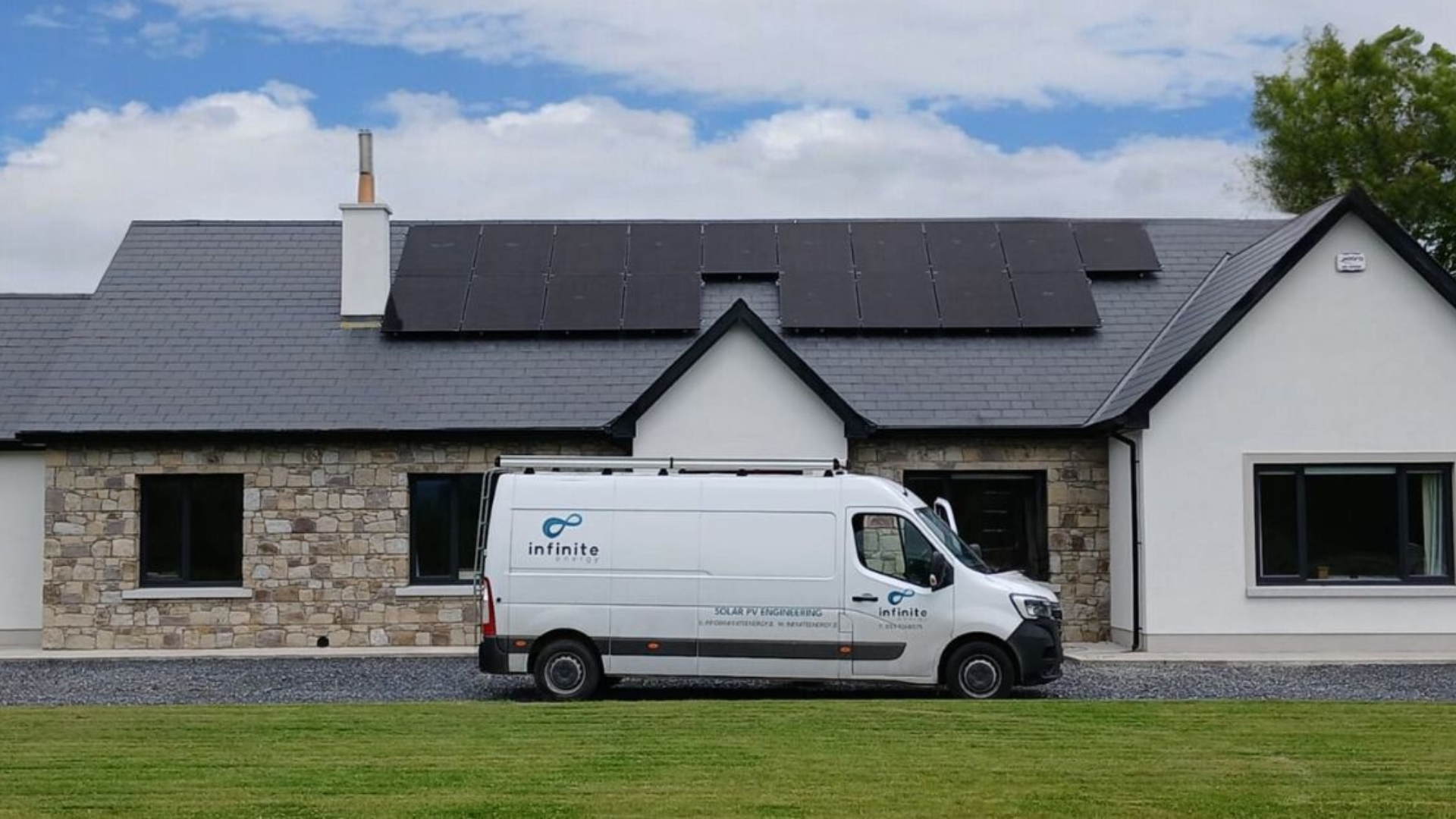
A roof survey checks whether solar is practical for your home and what needs further investigation.
Before panel count, battery storage or savings figures are discussed, the installer should understand what the roof can realistically support. Direction, usable space, shading, roof condition and access all shape the final recommendation.
A suitable roof does not have to be perfect. But it does need to be assessed properly.
Roof direction
Roofs facing south are often strong performers because they can capture a lot of daylight through the middle of the day.
But a roof does not have to face south to be useful. Roofs facing east and west can work well because they spread generation across more of the day. That may suit households that use electricity in the morning and evening.
The right layout depends on the property and usage pattern. A good installer should explain the design rather than simply saying one direction is always best.
Usable roof space
Not every part of a roof is usable.
Chimneys, roof windows, vents, dormers, valleys, ridges and awkward roof sections can reduce the space available for panels. A simple roof may be easier to design. A more complex roof may still be suitable, but the layout needs more care.
A good survey should look at clear usable roof area rather than estimating from total roof size.
Shading
Shading can reduce solar output.
Nearby trees, chimneys, neighbouring buildings, roof features and seasonal sun angles can all affect performance. Even partial shading may influence panel layout and product choice.
This is why a survey should consider the real roof, not just a generic satellite image.
Roof condition and access
The condition of the roof covering, access, working area and practical installation route all matter. If a roof needs repair, it is better to know that before solar panels are installed.
Access also affects how safely and efficiently the installation can be completed.
Electrical setup
Solar is not only a roof project. It is also an electrical project.
The installer should consider the consumer unit, inverter location, cable routes, isolation, battery location if relevant and EV charger plans. These details affect how tidy and practical the finished installation will be.
Panel count is not everything
More panels are not always better.
A suitable system balances expected generation with when you use electricity, roof constraints, equipment choices, budget and installation quality. Grant eligibility is a separate check.
The goal is not to fill every possible roof space. The goal is to install the right system well.
Roof suitability checklist
| Factor | What to check |
|---|---|
| Orientation | Direction is one input to a layout and generation assessment. Roofs facing south, east and west may all be considered. |
| Shading | Trees, chimneys and buildings can affect output. |
| Usable space | Obstacles can reduce panel area. |
| Roof condition | Repairs should be considered before installation. |
| Access | Safe access affects practicality. |
| Electrical setup | Equipment location and cable routes matter. |
| Future plans | EVs, batteries or heat pumps may affect design. |
When a roof may need extra review
A roof may need additional assessment if there is heavy shading, the roof surface is in poor condition, access is difficult, the property has many roof obstacles, the electrical setup needs work, or you want battery storage or EV charging added at the same time.
This does not automatically rule out solar. It means the recommendation should be more careful.
A roof assessment can identify questions that need further professional review. This guide cannot confirm structural condition or grant eligibility.
Before you decide
A roof does not need to be perfect to be suitable for solar PV. But it does need to be checked carefully.
You can explore a guide estimate without leaving contact details. If you want to take it further, the calculator also lets you request a free roof survey, with no obligation to go ahead.
Next step
Explore your next step.
Keep researching or get a guide estimate. You can then request a free roof survey, with no obligation. The survey and electrical review establish the design and final quote.