

Solar Hub
Planning solar, a battery and an EV charger
Published 12 May 2026 Updated By Infinite Energy
Start with how your home uses electricity. Solar, storage and charging can be planned together without buying everything at once.
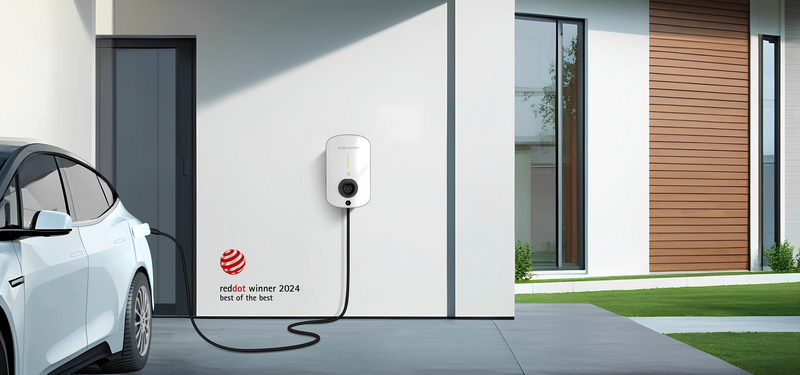
You do not need solar panels or a home battery to install an EV charger. Equally, adding solar does not mean you have to buy a battery. Each choice should earn its place in the plan.
Look at a normal week
Gather your electricity bills and, if available, the usage data from your supplier. Note when people are at home, when the car is parked there and which appliances account for a large share of demand. A yearly total does not show when you need the electricity.
Include changes you genuinely expect, such as an EV, a heat pump or working from home more often. Keep those separate from your current use so you can see what each proposal assumes.
Choose the parts that suit your home
If you are considering solar
The usable roof area, direction, shading and roof condition help determine what can be installed. A survey should also cover access, equipment locations and the electrical work. Our roof suitability guide explains what to look for.
Ask how estimated generation compares with when you use electricity. Using more of it at home can reduce grid purchases, but the financial comparison also depends on installation cost, tariffs and export payments. A generation forecast is not a guaranteed saving.
If you are considering a battery
A battery can store surplus solar for later. It also adds cost, and some energy is lost during charging and discharging. Compare a proposal with and without storage, using the same household demand and tariff assumptions.
Ask about usable capacity, compatible equipment and what any backup option actually powers. Owning a battery does not by itself establish that the whole house will run during a power cut. The battery guide covers these choices.
If you are considering a charger
A home charger can use grid electricity. Timed charging schedules it for chosen hours; it is not the same as charging from solar. A compatible solar surplus setting can use generation left after other household demand, while the car is plugged in.
For a car that is usually away during the day, compare the electricity tariff and charging schedule before assuming a home battery is needed. Load management limits demand on the supply. It does not add generation.
A charger needs its own site and electrical assessment. A solar roof survey can consider your charging plans, but it is not a substitute for that assessment. See how the charging choices differ.
Get a plan you can compare
You can plan cable routes, equipment space and future compatibility without committing to every item now. Ask the installer to separate the work needed today from optional additions, with a price and clear scope for each.
- What is included in the installed price, and what still needs assessment?
- Which exact panels, inverter, battery and charger are proposed?
- What assumptions sit behind generation, savings and any grant?
- What can be added later, and would other equipment need replacing?
- Who handles commissioning, the safety file, warranties and support?
For a grant supported solar installation, check the current grant process before work starts. Keep the installation documents and have the controls explained at handover. You should understand how to use the equipment you are buying.
Ready to look at your own home?
A free, no obligation solar roof survey can help establish the solar design and final proposal. Mention any battery or charging plans when you speak with the team.
A home charger needs a separate site and electrical assessment.