

Solar Hub
Solar and heat pumps at home
Published 27 May 2026 Updated By Infinite Energy
Solar can supply part of a home’s electricity, including some heat pump use. It does not remove the need to plan for winter and hours without daylight.
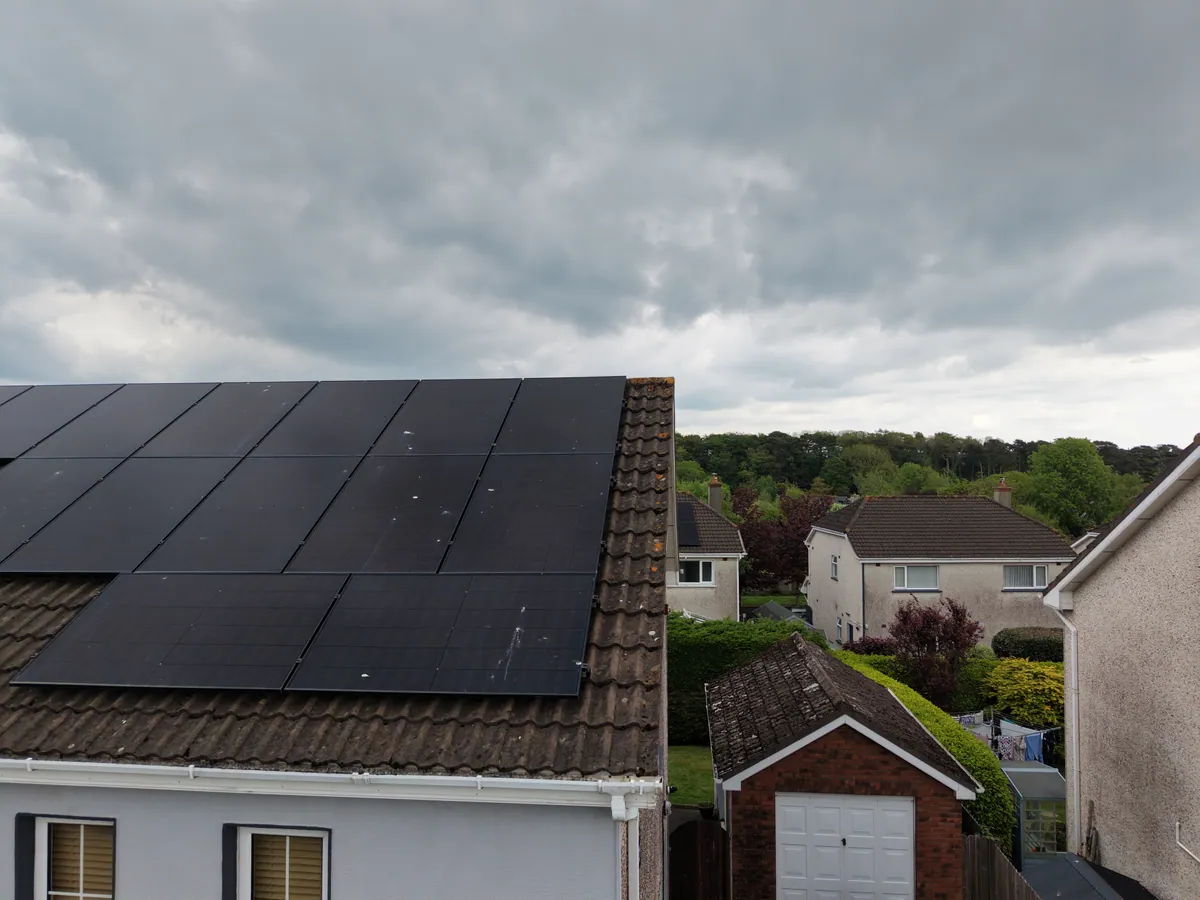
Solar panels generate electricity. A heat pump uses electricity to move heat into the home and provide hot water. They do different jobs, so choosing one does not automatically mean you need the other.
An annual total does not show the whole picture
In Ireland, solar output is concentrated in the brighter months and around daylight hours. Space heating demand is greater in colder periods. Even if annual solar generation and annual heat pump electricity use were similar, they would not necessarily happen at the same time.
Ask for a monthly view of generation and demand, not just two yearly totals. The estimate should show how much solar is expected to be used in the home, how much is exported and how much electricity still comes from the grid.
What would a battery change?
A home battery can move some available electricity to later use. It does not create energy or provide seasonal storage from summer to winter. Compare its extra cost, usable capacity and losses with the alternative of buying electricity when needed.
Read the battery guide before treating storage as an essential part of the heating plan. Ask the heating installer about appropriate controls and schedules rather than changing them simply to chase solar output.
The house needs its own assessment
Insulation and heat loss affect the energy needed to keep a home comfortable. Solar panels do not correct heat loss. SEAI’s heat pump readiness guidance explains the role of a valid BER and when a technical assessment is required for grant purposes.
A heat pump contractor or registered technical adviser can assess the heating requirements. A solar roof survey considers the roof, electrical setup and solar design. A solar roof survey is not a heat pump assessment.
If both upgrades are planned, ask the two designers to work from consistent demand assumptions and agreed equipment locations. Keep each scope, price and grant application clear. Neither a solar estimate nor a heating forecast is a final quote for the other work.
Bring the figures that describe your home
- If the heat pump is installed: bring electricity bills covering summer and winter, plus monitoring or usage data where available.
- If it is planned: ask the heating designer for the expected electricity input in kWh. A heat output rating is not the same figure.
- If the house will change: note insulation work, an extension, an electric car or changes in occupancy separately from current demand.
- For the solar proposal: ask which figures are measured, which are estimates and how tariffs, export and optional storage are treated.
There is no single installation order that suits every home. Agree the sequence with the people assessing the building and heating system. You can explore a home solar guide estimate without contact details; it is not a heat pump sizing tool.
Take a closer look at your roof.
A solar consultant can check the roof and electrical setup and explain a proposal for your home. The roof survey is free, with no obligation to go ahead.
This is a solar survey, not a heat pump assessment.