

Solar Hub
Can solar panels charge an electric car in Ireland?
Published 16 May 2026 Updated By Infinite Energy
Yes, solar can supply part of your charging. How much depends on the available generation, your equipment and when the car is at home.
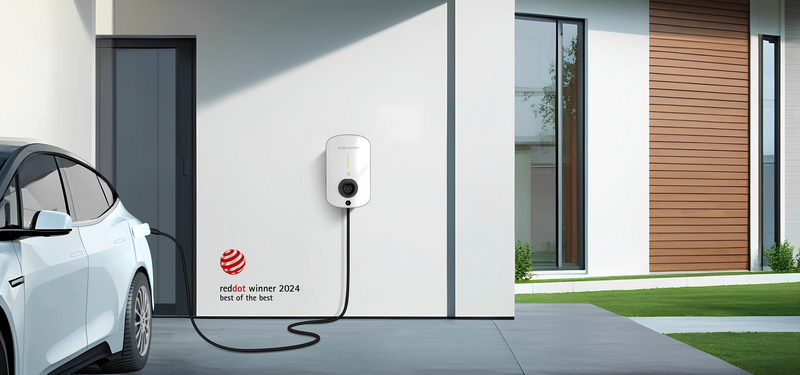
The useful question is how much of your driving the roof could support, not whether solar can charge a car at all. There is no single percentage that applies to every home.
Use the surplus while it is there
Solar can supply the car directly when it is connected during daylight. The amount available changes with the weather, season, roof layout and electricity being used elsewhere in the home.
A charger with compatible solar surplus controls can adjust charging to available generation. Not every smart charger has this function. Ask whether the proposed setup can use surplus alone, combine it with grid electricity or switch to a scheduled charge.
Being at home during the day gives you an opportunity to use solar, not a promise of a full car battery. Keep a charging option for days when generation is low or you need the car ready sooner.
You can still charge from the grid
You do not need solar or a home battery to use an EV charger. Solar panels do not generate at night, so timed grid charging may suit a car that is mainly home in the evening.
Compare the whole electricity plan, including the rates outside any discounted window and the standing charge. The cheapest charging hours do not necessarily make it the cheapest tariff for your household.
A home battery is optional. It can store some solar for later, but adds cost and energy losses, and has limited capacity to share between the car and the rest of the home. Ask for that trade off to be shown in the proposal rather than assuming storage is needed.
Bring your routine to the conversation
Tell the installer your car model, usual weekly driving, when it is parked at home and whether you expect a second EV. These are useful inputs for assessing demand, not a reason to promise a fixed saving.
- Will the cable reach the car comfortably without obstructing access?
- What site and electrical work is included?
- What charging rate can the car and home supply support?
- Does the quoted model support the solar controls you want?
- How do you request a charge when you need it sooner?
Load management controls total electrical demand; it does not create extra solar. Have the installer explain how charging interacts with other large loads and any home battery.
A charger needs a site and electrical assessment, separate from a solar roof survey. Use the home charger guide for equipment and grant checks, or read about grid, timed and solar surplus charging.
Choosing a charger?
Start with the charger checks, or arrange a solar roof survey if you are considering panels too.
A home charger needs a separate site and electrical assessment.